What a day-of coordinator actually does on your wedding day
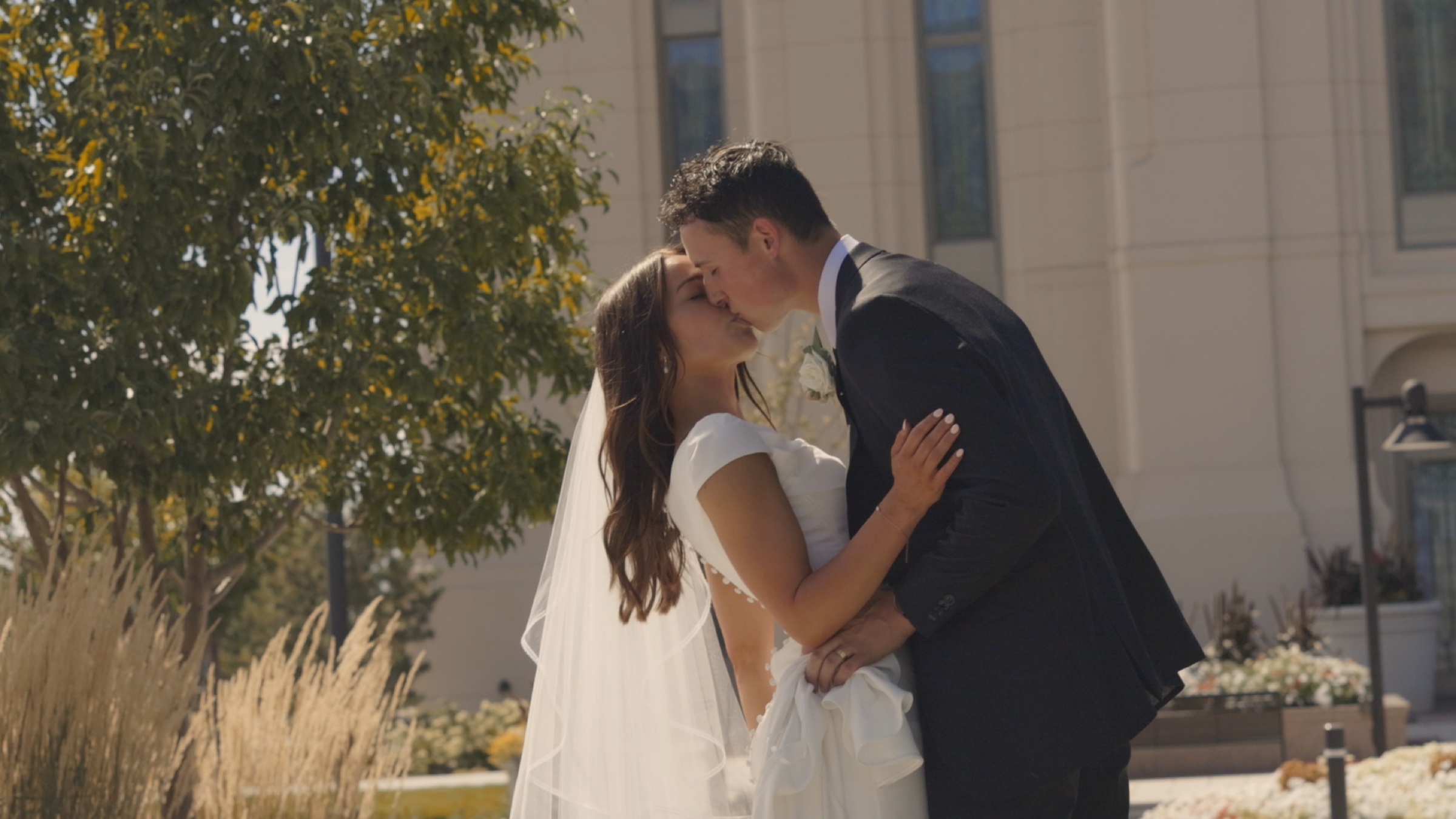
Is day-of coordination really only one day? No. A good day-of coordinator starts about six weeks before the wedding, because nobody can run a day they first heard about that morning. But the day is what you’re really paying for, and it’s also the part most couples never see, because it’s happening while they’re getting ready, getting married and dancing.
So here’s the view from the back of the room.
Sample timeline: This is an illustrative Salt Lake City summer wedding with a 6:30 p.m. ceremony, about 150 guests, and a venue with its own coordinator. Your times will be different. The shape of the day usually isn’t.
Morning: before you’re awake
The timeline goes out one last time. It was finished two weeks ago, but a morning-of reminder to every vendor—with arrival times and my phone number at the top—prevents a lot of wrong turns.
I confirm the early arrivals: hair and makeup, the florist, the rental company. If anyone’s running behind, I find out now, not at 3 p.m.
I check in with you, briefly. By this point you shouldn’t need to make any decisions. If a question comes up, the answer is almost always already in the plan.
Midday: the venue fills up
My assistant and I arrive at the venue. We meet the venue coordinator, who we walked the space with last week, and check the room against the floor plan: tables, chairs, the ceremony layout, and where the bar goes.
Vendors arrive in the order the timeline says. Florals, rentals, lighting, the cake, and the DJ’s sound check. I check each delivery against what was ordered. The wrong linen color gets caught now, while there’s still time to fix it.
In a Utah summer, this is also when I’m watching the weather. Afternoon heat is normal, and so is the occasional thunderstorm in July and August. The rain plan was agreed weeks ago. Today’s job is deciding when to call it with the venue coordinator, so you don’t have to.
Your personal items arrive: the guest book, card box, family photos for the memory table, and signs. I set them out exactly where we planned.
Late afternoon: people, not things
Portraits start. The timeline puts them here for a reason: in late June in Salt Lake, the sun doesn’t set until around 9 p.m., so the softer light comes late and the family list needs to be done before dinner. I have the photographer’s shot list and I’m the one finding Uncle Dave. More on building a timeline around the light.
Wedding party and family are gathered, pinned and pointed where they need to be. The emergency kit comes out for a loose button, a blister, or a boutonniere that won’t stay put.
Guests arrive. I check with the officiant, musicians and venue coordinator. The rings are where they’re supposed to be.
The wedding party lines up in the order we practiced at the rehearsal. The music gets its cue. Each person walks when they’re sent, and you walk last.
The ceremony: the part you remember
You get married. I’m at the back, watching the clock, the light and the officiant, and nothing else needs me for twenty minutes. That’s usually a good sign.
While guests head to cocktail hour, the ceremony space gets flipped if it’s doing double duty, family photos wrap up, and I make sure you get ten quiet minutes and something to eat.
Reception: keeping the evening moving
Grand entrance. The DJ has the pronunciation of every name because I sent it over three weeks ago.
Dinner. I check in with the caterer on timing and make sure the two of you are actually eating. Toasts are cued in the order on the timeline, with speakers told five minutes ahead.
Golden hour. If you want sunset photos, I pull you out for ten minutes and have you back before anyone notices.
First dance, parent dances, cake, open dancing. My job is mostly timing: keeping the evening on schedule so the send-off happens before the venue’s music cutoff, not after it.
The end of the night
The send-off: sparklers, bubbles or just a walk to the car, lined up and cued.
After you leave. Gifts, cards, the guest book and the top tier of the cake get packed and handed to the person you chose. Your personal décor comes down and goes home with the right family member. We do a final walk with the venue coordinator before the building is signed off.
Where the six weeks show up
- The vendor arrival order works because every vendor confirmed it weeks ago.
- The lineup works because we practiced it at the rehearsal.
- The rain call is easy because the backup plan was agreed in advance.
- The toasts run on time because the DJ, caterer and speakers all have the same timeline.
- Nobody asks you anything because every question already has an answer written down.
That’s why “day-of only” coordination, with a coordinator who arrives that morning with no prep, usually means you spend the six weeks before doing the coordinator’s job yourself.
Questions to ask a day-of coordinator in Salt Lake City
- When do you start on my wedding, and how many meetings do we have first?
- Will you contact my vendors, or will I?
- Do you run the rehearsal?
- How many hours are you on site, and do you bring an assistant?
- Have you worked with my venue’s coordinator before, or will you walk the space first?
- What’s your plan if you’re sick on the day?
The short version
A day-of coordinator runs the whole wedding day: vendor arrivals, setup checks, the lineup, ceremony cues, reception timing, the send-off and the pack-up afterwards. They can only do that well because they start about six weeks earlier.
I’m a day-of and month-of wedding coordinator based in Salt Lake City, working across Utah. Everything, including price, is on that page. Or check if your date is open.